Renovation “Trends” for 2026: Why the Best Trend Is… Not Following Trends at All
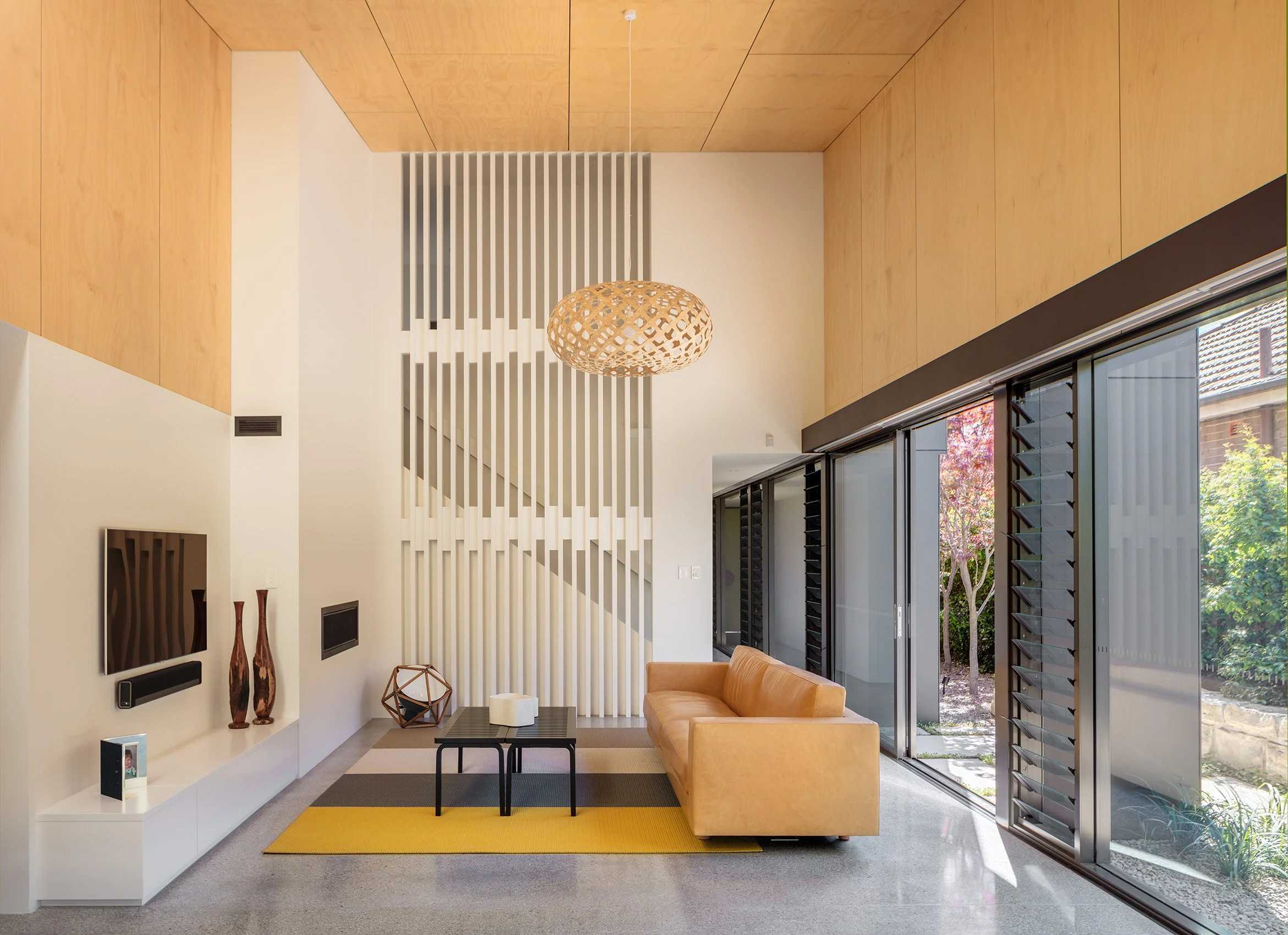
At the end of every year, the next year’s trend lists start rolling out “Five Renovation Trends You’ll See in Every Home in 2026.”
At the moment, it feels like every single thing is an arch or a curve.
Every opening is rounded, every island has a softer corner than the last, every sofa looks like a sausage. Some of it can look great. It can even look beautiful.
But here’s the thing, have it because you like it, not because it’s the thing everyone’s doing right now.
If a curve or an arch only exists in your home because it’s the current look, it will start to feel awkward pretty quickly.
Why Following Trends Doesn’t Work in Renovations
If being “on-trend” is important to you, sure go ahead and Google all the trend lists.
You’ll find:
“Earthy neutrals”
“Sandy beiges”
“Chocolate brown tapware”
“Sculptural lighting”
“Curves and arches. Arches and curves.”
“Sausage-shaped lounges”
It’s endless.
But here’s the issue: renovations take a long time.
Between design, approvals, and construction, you’ve got a 1–2 year turnaround.
By the time you move in and really enjoy the space, the thing that is hot and trending now, probably won’t be trending at all.
So, if you’re designing around what’s in this moment, you’re already behind.
What to Do Instead
1. Don’t follow any trends, seriously.
Look everything up.
See what everyone’s predicting.
Scroll the lists.
And then: Don’t do any of it.
Not because trends are “bad”, but because they’re temporary.
And your home isn’t temporary.
2. Choose durable, beautiful materials
Renowned Australian architect Ian Moore puts it pretty simply: “Whatever the trend is, do the opposite and use durable, beautiful materials.” It’s hard to argue with. Trends come and go, but solid materials and clear thinking don’t date.
Think materials that:
feel good under hand
age gracefully
improve with time
develop character rather than wear
Honest timber. Real stone. Quality hardware. Solid metal. Properly detailed joinery.
Timelessness isn’t about being plain.
It’s about choosing materials that feel good, wear well, and make sense long-term.
3. Be bold
Not fashionable, bold.
Bold means doing something because it feels right, or because it adds character, or because it makes you smile every time you walk past it.
Not because a designer in Europe said this is “the” shape of 2026.
It might be:
one strong colour
a sculptural form
a beautiful detail
an unexpected combination of materials
a layout decision that improves how you live
Bold is personal. Trends are generic.
4. The showroom trick: go straight to “discontinued”
Go to your joiner, kitchen supplier, or showroom, and look for the word discontinued.
Get interested in the things that are discontinued or no longer done.
These are often:
less overused
quietly classic
often better quality
not part of a fleeting trend cycle
Why?
Because those are the things not being pushed by the trend cycle.
Those are the materials that aren’t flooding Instagram.
They’re often more interesting, more subtle, more timeless.
And in two years’ time, when you move in, they’ll feel intentional, not dated.
The Real Test
Instead of asking, “Is this on trend?”
Ask:
Does this make sense in my home?
Do I actually love this?
Will this still feel good once the hype passes?
Is this here because it belongs here, or because it’s the look of the year?
If you choose things because they genuinely suit the house and they genuinely bring you joy, they’ll never feel out of date.
So the Best Trend for 2026?
Don’t follow trends.
Follow:
beautiful, durable materials
things that make sense
things that bring joy
boldness, not fashion
what feels right for your home, not what’s in this month
That’s how you build something you’ll still love not just in 2026, but in 2036.