
10 Principles of Architecture: A Practical Guide to Extraordinary Homes
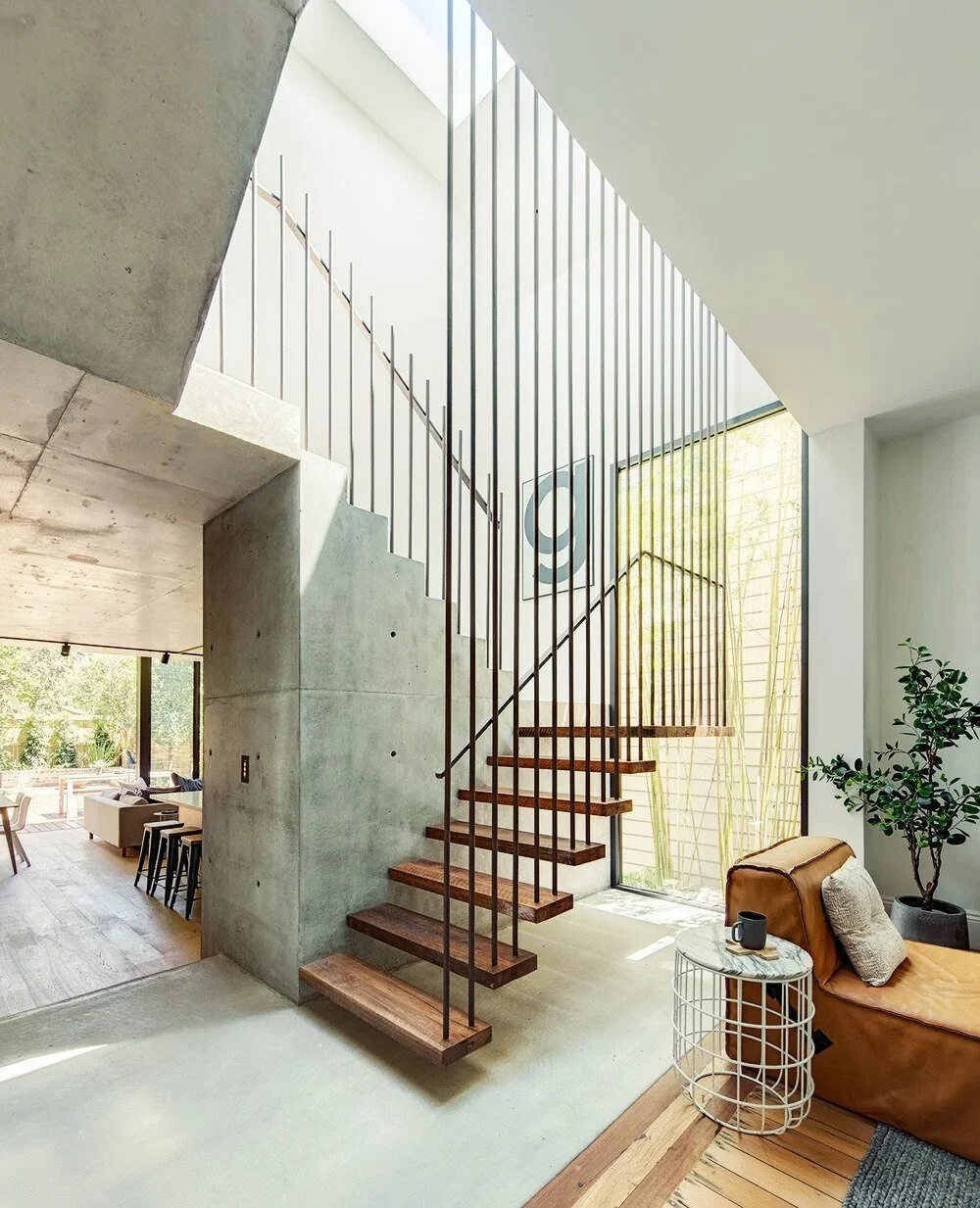
I’m not an architect. I haven’t done a degree. I haven’t done a Master’s.
What I have done is spend a long time working around architecture, delivering projects, leading teams, watching what works, watching what fails, seeing what discerning home buyers love, what sells, and what genuinely brings people joy.
So this isn’t theory. It’s pattern recognition. Trial and error. Lived experience.
These are the things that keep showing up. The things that, when they’re right, elevate a home. And when they’re wrong, you feel it immediately, even if you can’t quite explain why.
Think of this as a checklist you work through on the way to the perfect home.
1. Street Presence
Street presence matters more than most people realise.
It’s how your house meets the world. How it engages with the street. How your family connects to the community and how the community first experiences your home.
It absolutely adds value, but it’s more than that. It’s identity.
How does the house present itself from the street?
Does it feel confident?
Does it belong, without disappearing?
This is the first relationship your home has with everyone else.
2. Entry (Arrival and Threshold)
Entry is different to street presence.
Entry is about arrival. The moment you leave the public world and step into something more private.
That transition matters.
How do you approach the door?
What do you see when you arrive?
What do you feel as you step inside?
A good entry is clear, legible, and intentional. It sets the tone for the entire house. It should feel like a moment, not an afterthought.
3. Flow and Connection
Good flow is invisible when it’s done well.
But when it’s missing, you feel it immediately.
We’ve all been in houses where you’re standing somewhere thinking:
“Where do I go next?”
“Is this the way out?”
“Why does this feel awkward?”
Flow is how spaces connect. How you move from one part of the house to another without confusion.
It’s guided by:
Alignment
Sightlines
Light
Subtle cues that tell you where you are and where you’re meant to go
When you walk in the front door, you should instinctively understand the house. You shouldn’t need directions. The design should lead you.
4. Quality of Space (Not Just Size)
Bigger doesn’t automatically mean better.
Quality matters more than quantity. And if a space isn’t the ideal size, it needs to work harder.
That might mean:
Better proportions
Better light
Better material choices
A stronger sense of enclosure and comfort
A good space can feel generous even when it’s small.
A poorly considered space feels awkward no matter how big it is.
5. Atmosphere
Atmosphere is hugely important and often missed.
It’s created through:
Orientation
How spaces are broken up
Light, shadow, texture
What you deliberately add and what you leave out
Backyards are a classic example. People think atmosphere is just “adding plants.” But it’s more than that.
It’s how you move through the space. Where you pause. Where you gather.
Your home should feel like a stage you’re living on not a neutral container you passively occupy.
6. Coherence
Coherence is what makes everything feel like it belongs together.
It’s the underlying logic that binds the house into a single idea.
You feel it when:
“Everything makes sense. Everything feels intentional.”
That coherence might come from:
A consistent material language
Repeated forms or proportions
A clear spatial hierarchy
Without coherence, houses can feel fragmented even if each room is “nice” on its own.
7. Restraint
Restraint is related to coherence but it’s not the same thing.
Restraint is knowing when to stop.
Too many materials, finishes, or gestures mashed together often feels incoherent. Some people are brilliant at making that work but it’s an art, and it’s rare.
Most homes benefit from:
Fewer materials
Clear decisions
Confidence in simplicity
Restraint allows the important things to speak louder.
8. Delight (The Twist in the Plot)
Every great home needs a moment of delight.
A twist.
A surprise.
Something that makes you pause and think, “Oh—that’s good.”
It might be:
A view revealed at the right moment
A material you didn’t expect
A small, deliberate detail
This is what separates a competent house from a memorable one.
9. Comfort (Real Comfort)
Comfort isn’t just soft furnishings. Think of a day when you were outside all day and you can’t remember if it was a warm day or a cool day. That’s what comfort is to me, when you’re able to focus on people, food, a good book and you don’t remember whether you were sitting comfortably or not, whether you were warm or cold, when you just didn’t have to think about those things and you were able to live in the moment, free of distractions.
It’s:
Thermal comfort
Acoustic comfort
Air movement
The ability to be comfortable in different places, at different times of day, in different seasons
This is where good design quietly improves everyday life. Where you haven’t even noticed it.
10. Engagement (The X-Factor)
This is the wildcard.
Sometimes a house is too resolved. Everything works. Everything is polished. And yet it’s missing something.
I once worked on a place that was beautifully done. Great flow, beautiful materials, everything tied together. And I added rough bush rocks to the entry path.
They were just slightly uneven.
Not dangerous. Not difficult. Just enough to slow you down and make you aware of your body and your surroundings.
The owners removed them straight away but everyone noticed them. Everyone talked about them.
That tiny destabilisation heightened the senses.
That’s the X-factor.
You don’t need to make people struggle. You just need to engage them.
Final Thought
It’s not academic. It’s not exhaustive. But it’s grounded in what I’ve seen work, again and again.