
How to Choose a Design-Build Partner (Investor’s Guide)
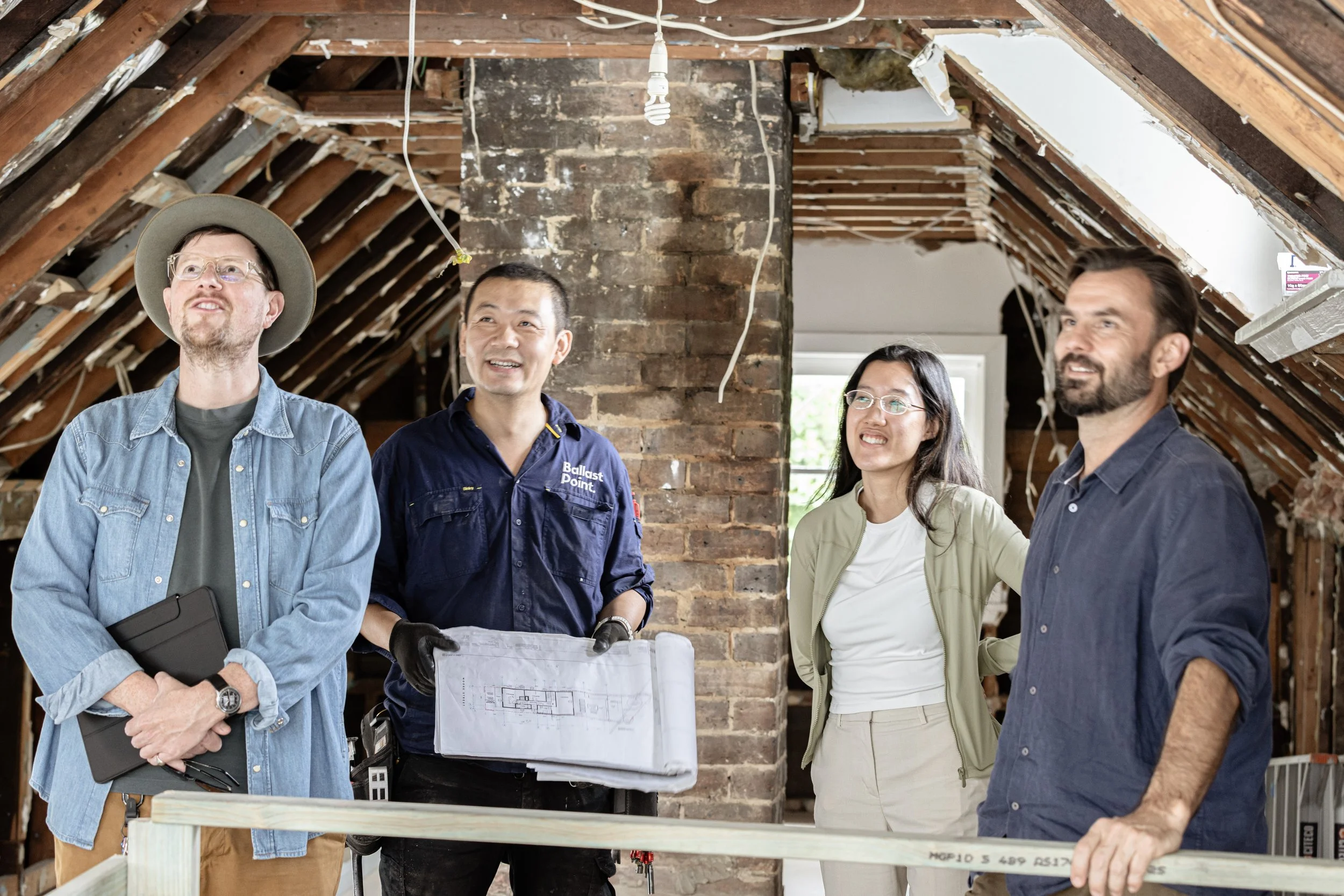
Choosing the right design-build partner can significantly influence the success of a property investment project.
Whether you are planning a duplex development, major renovation, knock-down rebuild, or high-performing family home, the quality of your early decisions will often determine the project’s profitability, timeline, and overall risk.
Many investors focus heavily on location, acquisition price, or end value, but underestimate the importance of selecting the right architect and builder team from the outset.
A strong design-build partner does far more than produce drawings or construct a building. They help assess feasibility, identify risks early, align budgets with outcomes, and guide decisions that affect the entire lifecycle of the project.
Start With Feasibility, Not Design
One of the most common mistakes investors make is moving into concept design before properly understanding site feasibility.
A project may appear promising initially, but factors such as:
Heritage overlays
Planning controls
Site access
Structural conditions
Floor space ratios
Construction complexity
Service upgrades
can significantly affect viability.
A good design-build partner will provide property feasibility advice early and help determine whether the project stacks up financially before substantial design costs are incurred.
This is particularly important in Sydney’s Inner West, where planning controls and existing site conditions can heavily influence development potential.
Look for Builder Input During Design
Many projects become financially strained because construction considerations were introduced too late.
Investors should prioritise teams where builders are involved during:
Feasibility studies
Concept planning
Design development
Material selection
Construction methodology discussions
This integrated approach improves cost forecasting and reduces the likelihood of redesigns once pricing begins.
It also helps ensure the proposed design can be delivered efficiently within the project budget.
An integrated architectural design service allows design and construction thinking to happen simultaneously rather than sequentially.
Assess Experience With Similar Projects
Not all architects or builders specialise in the same project types.
An investor planning a heritage renovation should not assume that experience in new homes automatically translates to expertise in older properties.
Likewise, apartment renovations, duplex developments, and knock-down rebuilds each involve very different planning and construction requirements.
When evaluating a design-build partner, review:
Past project types
Experience with local councils
Heritage knowledge
Construction complexity
Approval pathways
Site management capability
Relevant experience often reduces risk considerably during both approvals and construction.
For example, teams experienced in renovation projects in Glebe and surrounding Inner West suburbs are often better equipped to navigate complex planning and heritage conditions.
Understand Their Process
A good design-build company should be able to clearly explain how projects move from feasibility through to completion.
If the process feels vague or fragmented, this can become a warning sign later.
Strong teams typically provide clarity around:
Feasibility and budgeting
Design stages
Consultant coordination
Approval pathways
Procurement
Construction sequencing
Cost management
Client communication
Transparent project management support is often one of the clearest indicators of how effectively a project will be delivered.
Compare More Than Price
Choosing solely based on the cheapest fee proposal can become expensive later.
Lower upfront pricing sometimes excludes:
Feasibility analysis
Detailed coordination
Budget reviews
Construction planning
Consultant management
These omissions often reappear later as variations, delays, or redesign costs.
Instead of comparing fees in isolation, investors should evaluate overall value, including:
Communication quality
Project clarity
Risk management
Local experience
Integrated services
Realistic budgeting
A more coordinated process often saves substantially more time and money across the life of the project.
Evaluate Their Understanding of Risk
Experienced design-build partners actively identify risks early rather than reacting to them later.
This includes:
Planning risks
Heritage complications
Structural unknowns
Site access constraints
Procurement lead times
Escalating construction costs
The earlier these factors are addressed, the more predictable the project becomes.
For investors, predictability is often just as important as maximising return.
The Right Partner Improves Decision-Making
Good design-build teams do more than deliver buildings. They improve the quality of decision-making throughout the project.
They help investors:
Understand realistic budgets
Assess project viability
Balance cost against long-term value
Avoid unnecessary complexity
Reduce approval and construction risk
Align timelines with financial objectives
In increasingly complex residential markets, integrated architecture and construction expertise has become one of the strongest advantages a project can have.
Choosing a team with a clear design and construction philosophy can ultimately influence not only the quality of the final outcome, but the success of the entire investment strategy.